
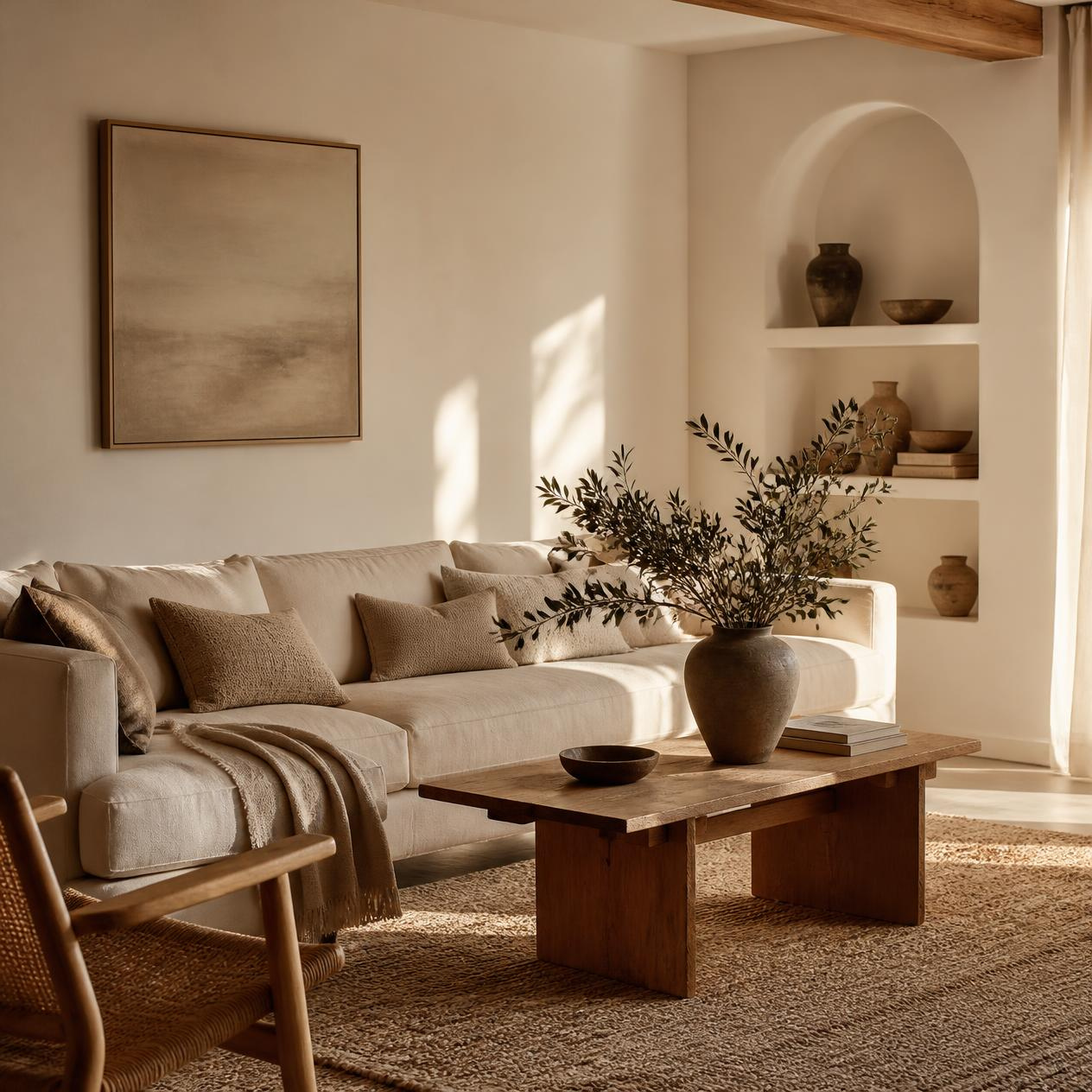
How to Make Your Home Feel Cozy and Inviting Without Buying More Decor
A home can look beautiful and still not feel especially comfortable to live in. You can have lovely furniture, a thoughtful color palette, and decor you genuinely like, yet something can still feel a little unfinished or impersonal.
Often, the difference isn't more decor. It's how a space feels when you walk into it.
A cozy home doesn't have to be filled with expensive furniture, perfectly styled shelves, or the latest home trends. Sometimes, it's as simple as softening the lighting, rearranging a few pieces of furniture, bringing out textures you already own, or making room for the things that feel personal to you.
The goal isn't to create a picture-perfect home. It's to create a space that feels comfortable, welcoming, and reflective of the people who live in it.
Here are seven simple ways to make your home feel warmer and more inviting without constantly buying new things.
1. Soften the Lighting
Lighting can completely change the atmosphere of a room. A space that feels cold or harsh under bright overhead lighting may feel much more comfortable with softer, layered light.
Instead of relying on one ceiling light to illuminate the entire room, try using a few different light sources throughout the space.
Start with what you already have:
Turn off the overhead light in the evening and use a table or floor lamp instead.
Move a lamp to a darker corner that feels a little neglected.
Open your curtains during the day to make the most of natural light.
Use warm-toned bulbs in areas where you want a softer atmosphere.
Small details can also help make evenings feel more inviting. Flameless candles are an easy option if you like the look of candlelight without an open flame. Try placing a few on a coffee table, shelf, or dining table for a soft, flickering glow. Some styles even come with a remote, making it easy to switch them on when you're settling in for the evening.
Explore these glass flameless candles if you're looking for an option that adds a decorative touch as well as ambient lighting.
You don't need to purchase something new to improve your lighting, but if you do, choose pieces that complement your existing space and that you'll enjoy using regularly.
2. Rearrange Your Furniture for Comfort and Flow
Sometimes, a room doesn't need new furniture. It needs a different layout.
Furniture placement affects how easily you move through a space, where you naturally sit, and whether a room feels open or crowded. Even beautiful pieces can feel out of place if they're arranged in a way that makes the room difficult to use.
Take a few minutes to look at your room with fresh eyes.
Ask yourself:
Is there a clear path to walk through the room?
Does the seating encourage conversation and relaxation?
Is furniture pushed against the walls simply because that's where it has always been?
Are there corners that feel awkward or areas that never seem to get used?
Can you comfortably reach the things you use every day?
Try pulling seating into a more connected arrangement, shifting a chair toward a window, or moving a small table closer to where you actually sit.
You don't have to follow strict decorating rules. The best layout is one that works for your home and the way you live in it.
Especially in smaller spaces, thoughtful furniture placement can make a room feel more comfortable without adding a single new item.
3. Bring in Texture and Softness
A room can have beautiful colors and still feel flat if everything has a similar finish. Texture adds depth and makes a space feel more layered.
Think about the materials you already have: linen, cotton, wool, wood, woven baskets, ceramic pieces, or a soft rug. Mixing different textures can make a room feel more interesting without making it visually busy.
Try simple changes such as:
Folding a throw blanket over the arm of your sofa.
Adding textured pillow covers to cushions you already own.
Bringing a wooden tray or ceramic bowl onto a coffee table.
Using a woven basket to hold blankets or everyday essentials.
Layering a rug over an existing floor surface when the size and layout allow.
A soft throw is an easy way to make a living room feel a little warmer and more inviting. Drape one over the arm of your sofa or fold it into a basket near your favorite spot to sit. A plush throw in a warm coffee tone can look especially inviting against lighter neutral furniture, adding contrast without overwhelming the space.
Explore this cozy throw blanket if you're looking for something similar.
You don't need to use every texture at once. A few thoughtful contrasts are often enough. If your room is mostly smooth surfaces, introduce something soft or woven. If it already has plenty of textiles, a wood or ceramic accent might provide the balance it needs.
Before shopping, walk through your home and see what you can borrow from another room. A blanket from the bedroom or a basket from the entryway might be exactly what your living space needs.
4. Edit What You See Before Adding Anything New
When a room feels unfinished, it's tempting to assume it needs more decor. But sometimes, the opposite is true.
Too many small objects competing for attention can make a space feel visually crowded. Clearing a little space can help the pieces you love stand out.
This doesn't mean your home needs to be minimal or that everything should be hidden away. A lived-in home will naturally have books, everyday essentials, personal belongings, and a little mess.
The goal is to be intentional about what stays visible.
Start with one small area, such as your coffee table, kitchen counter, bathroom vanity, or entryway.
Remove everything temporarily. Wipe down the surface, then put back only what you use regularly or genuinely enjoy seeing.
For example, a coffee table might feel more considered with a few books, a small bowl, and one meaningful object rather than several unrelated decorative pieces.
In the kitchen, keeping everyday essentials accessible while clearing unnecessary items from the counter can make the space feel calmer and easier to use. You can also explore my guide to non-toxic kitchen swaps worth making for more ideas on making thoughtful choices around your home.
The same principle applies to storage. When everyday items need a home, attractive storage can help keep a room organized without hiding away everything that makes it functional.
Woven baskets are useful for keeping blankets, toys, or everyday essentials together while adding natural texture to a room. Look for styles with details that make them feel decorative enough to leave out in the open, rather than something you feel the need to tuck away.
Explore these woven nesting baskets for a storage option that can work in living rooms, bedrooms, or other shared spaces.
You don't have to declutter your entire home in one day. Choose one surface at a time and notice how the room feels afterward.
Sometimes, creating a little breathing room is the change that makes everything else come together.
5. Make Your Home Feel Personal
A welcoming home should feel like someone actually lives there. It doesn't need to resemble a furniture showroom or follow one perfectly coordinated aesthetic.
Personal details give a space character. They can also help a home evolve naturally over time instead of feeling like it was decorated all at once.
Look for things you already own that have meaning to you:
Framed photographs or artwork.
Books you've read or genuinely want to keep nearby.
Ceramics, textiles, or objects collected during your travels.
Family pieces or items passed down to you.
A favorite piece of art that doesn't perfectly match everything else.
You don't need to display everything. Choose a few pieces that you enjoy seeing and give them a place where they can be appreciated.
If your home feels too coordinated, consider mixing finishes, styles, or older pieces with newer ones. A little contrast can make a room feel more individual and less like it came straight from a catalog.
You also don't need to finish decorating your home all at once. Allowing your space to develop gradually can make it feel more personal than trying to fill every empty corner immediately.
A home should reflect your life, not just a particular trend.
6. Pay Attention to the Small Details You Experience Every Day
Cozy living isn't only about how a room looks. It's also about how it feels to use.
Think about the small details you experience when you wake up, come home, prepare a meal, or settle down in the evening. These everyday moments can make a difference in how comfortable your home feels.
Consider a few simple adjustments:
Keep a soft throw where you usually sit.
Make your bedside area feel pleasant and functional, even if it only has room for a few essentials.
Keep a small tray near the entryway for keys and other things you regularly reach for.
Put a favorite mug somewhere convenient instead of tucked away in the back of a cabinet.
Make your bathroom feel a little more considered by keeping the counter clear and your daily essentials organized.
Create a comfortable spot for reading, journaling, or taking a few quiet minutes for yourself.
These aren't major decorating projects. They're small ways to make your surroundings work better for your everyday life.
If you're a mother, you may also find that the most useful spaces are the ones that accommodate real life rather than trying to hide it. A practical basket for toys, an accessible place for baby essentials, or a comfortable spot to sit with your little one can make a room feel more supportive of the season you're in.
For more ideas on making everyday life a little easier during motherhood, you can also read my guide to postpartum essentials.
Your home doesn't have to be perfectly styled to feel beautiful. It just needs to work for the life happening inside it.
7. Create Simple Rituals That Make Home Feel Welcoming
The atmosphere of a home comes from more than furniture and decor. It also comes from the way you use the space.
A room can look beautiful, but the feeling of home often develops through ordinary things: morning coffee, music while preparing dinner, a favorite chair at the end of the day, or a few minutes spent tidying before bed.
You don't need an elaborate routine. Choose small rituals that fit naturally into your life.
You might open the curtains each morning, put on music while you make breakfast, turn on a lamp as the evening gets darker, or spend five minutes returning everyday items to their places before settling in for the night.
You could also make one area of your home a little more inviting for a specific activity. A comfortable chair and a nearby basket for books can create a simple reading corner. A clear kitchen counter can make preparing a meal feel easier. A bedside table with just the essentials can make your evening routine feel less cluttered.
These small habits aren't about maintaining a perfect home. They're about making your surroundings feel cared for in ways that are realistic and sustainable.
The best rituals are the ones that make sense for your household, not the ones that add more pressure to your day.
When Is It Worth Buying Something New?
Making your home feel cozy without buying more decor doesn't mean you should never purchase anything for your space. Sometimes, a thoughtful upgrade can genuinely improve how a room looks or functions.
The difference is knowing what problem you're trying to solve before you shop.
Before buying something, ask yourself:
What specifically feels missing or doesn't work?
Could I solve the problem by rearranging, repairing, or repurposing something I already own?
Will this item complement my existing space?
Is it useful or meaningful enough that I'll still appreciate it in a few years?
Am I buying it because I genuinely need or love it, or because I've been seeing it everywhere?
If your room feels harsh in the evening, better lighting may be a worthwhile investment. If your sofa needs more softness, a throw blanket may be useful. If your entryway has nowhere to store everyday items, a functional storage solution could improve the space more than another decorative accessory.
When you do buy something, prioritize pieces that serve a purpose, suit your style, and work with what you already have.
A home doesn't need to be constantly updated to feel beautiful. Thoughtful choices, made gradually, can be more satisfying than repeatedly buying things in the hope that the next item will make everything feel complete.
Explore My Cozy Home Finds
If you're looking for a little inspiration, I've gathered cozy home finds in one place, from soft textures and ambient lighting to practical storage pieces.
Browse my Cozy Home Finds on Amazon
Frequently Asked Questions
How can I make my home feel cozy on a budget?
Start with changes that cost nothing. Rearrange your furniture, declutter a few surfaces, use softer lighting with lamps you already own, and bring meaningful objects into view. You can also move blankets, cushions, baskets, or decor between rooms to give your space a fresh feel without shopping.
What makes a home feel warm and inviting?
A combination of comfortable furniture, layered lighting, varied textures, personal details, and a layout that works for everyday life can make a home feel more welcoming. The best combination depends on your space, preferences, and how you use each room.
How do I make my home feel cozy without cluttering it?
Focus on a few intentional details rather than filling every surface. Use textures for warmth, choose personal objects you genuinely enjoy, and keep everyday essentials organized in ways that are easy to maintain. Cozy doesn't have to mean crowded.
How can I make a small home feel more inviting?
Keep walkways clear, make the most of natural light, and arrange furniture around how you actually use the space. Choose a few useful or meaningful accessories rather than lots of small decorative items. In a smaller home, flexibility and thoughtful storage can make a noticeable difference.
Does my home need to match one decorating style?
Not at all. Your home can combine different styles, materials, and pieces collected over time. A consistent color palette or a few repeated materials can help everything feel connected, but your space doesn't need to follow one strict aesthetic to feel cohesive.
A Home That Feels Like You
Creating a cozy home isn't about buying the right things or making every room look finished. It's about noticing what makes your space comfortable, what feels meaningful, and what would make everyday life a little easier.
Start small. Change the lighting in one room, rearrange a corner, clear a surface, or bring out something you already own and love.
You don't have to transform your entire home at once. And you don't have to keep buying things to make it feel complete.
A home can be beautiful because it's personal, practical, and lived in. Sometimes, the most meaningful changes are the ones that help you appreciate what you already have.
As an Amazon Associate, I earn from qualifying purchases.
